
Metal Garden Bench Guide | Corten, Aluminum & Ipe
Posted by Admin on 19th Nov 2026
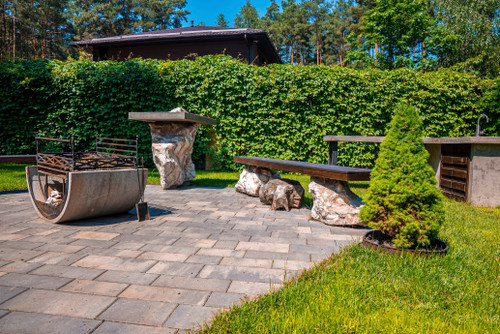
Step onto your patio at dusk and notice what anchors the space. The bench beside the fire pit that everyone gravitates toward. The slab-top bench edging the pool deck, catching the last of the light. A metal garden bench is one of the hardest working pieces in a yard because it does two jobs at once: it is seating and it is architecture. What it is made of (a Corten, mild steel or powder-coated aluminum frame, often topped with an Ipe seat) decides how it ages and where it can safely sit. Here is how those materials compare, bench by bench, followed by a comparison table and a short pre-order checklist.
Which Metal Garden Bench Material Fits Your Yard
Every metal garden bench decision starts in the same place, and it is not style. It is what sits underneath the bench and what the climate does to it. Four priorities shape the choice: the look you want (raw industrial warmth versus clean painted lines), the hardscape beneath the piece (porous concrete, pavers, pool decking, gravel, or soil), your climate (coastal or humid versus dry inland), and how much visible aging you actually want to live with.
Yard Couture's Patio Benches collection includes designs with Corten, mild steel and powder-coated aluminum frames. In suitable exposure conditions, Corten weathering steel forms a patina that slows further corrosion and gives the raw industrial look many designers are after. The individual Cantilever and Channel listings describe their mild steel options with a natural rust patina; confirm the finish on the specific bench rather than assuming all steel options are powder coated. The collection recommends marine-grade powder-coated aluminum for coastal or humid settings, with regular cleaning and care appropriate to the exposure.
Ipe sits in a different category. It is not a frame material; it is the seat or slat material, a Brazilian Walnut hardwood paired with those metal frames. A common setup is a metal frame with an Ipe or powder-coated seat, and that combination is where much of the personalization happens.
So what is the best metal for an outdoor bench? There is no single answer, and anyone who tells you otherwise is selling a material rather than fitting one. There is only the best metal for your surface, your climate, and the style of your space. A bench that looks perfect on a gravel path in a dry climate can stain a brand-new concrete patio in a humid one. Work the decision in that order and the rest of the process gets simple.
Corten and Mild Steel: The Rust Look, Explained Honestly
How weathering steel forms its patina
Corten, or weathering, steel does not rust the way a neglected gate rusts. It develops a dense, stable oxide layer on its surface through alternating cycles of wet and dry weather. That layer then slows further corrosion, which is why the material has a long history in bridges and highway structures. The Federal Highway Administration's technical advisory on uncoated weathering steel in structures explains the mechanism and, importantly, its limits: continuously wet conditions, trapped debris, and standing water all work against patina formation and keep the steel in a more active corrosion state.
Two practical takeaways from that. First, the patina forms on its own schedule, driven by your weather, and nobody can promise you a date when it will reach a certain color. Second, site the bench where water drains away and leaves and soil cannot pile against the legs. The Cantilever bench product page states plainly that the Corten version arrives raw and will rust and bleed. That is the honest expectation to buy with.
The Cantilever's mild-steel option is hot rolled 14 gauge steel; the Channel's is hot rolled mild steel with no gauge specified. Both are offered in natural rust finishes that can transfer color to light surfaces and are not recommended where staining is a concern. They give a similar aged appearance with the same runoff considerations.

Rust runoff and your hardscape
Here is the caution that matters most for buyer regret: rust-colored runoff from Corten and mild steel can stain light and porous surfaces, including concrete, pavers, and clothing, especially while the piece is new. Plan placement around that early period, not the best case.
Gravel, bark, soil, and darker hardscape tolerate runoff far better than light poured concrete. Position the bench so water running off the legs does not channel toward porous surfaces. If you want a deeper treatment of the mechanics, Yard Couture's post on protecting your hardscape from rust runoff was written for Corten planters, but the runoff behavior is the same, and the broader Corten steel buyer guide covers the material itself in more depth.
Aluminum is the contrast case. The Gallery Bench page notes that its powder-coated color will not bleed, which is exactly why it suits porous surfaces like concrete where a rust-finish bench would be a gamble.
Why buyers still choose it
Because the look is hard to fake. The dark oxide surface reads as architectural and modern, and it pairs naturally with fire features, gabion elements, and Ipe wood. If you already know you want that industrial character, no argument about runoff will talk you out of it, and placement care will handle the rest.
Aluminum Garden Bench: The Low-Worry Option
An aluminum garden bench frame is worth considering for pool decks, coastal properties and humid climates, as the collection and finish-options pages note. The Cantilever and Channel list lower weights for aluminum than steel, and the all-aluminum Gallery page says its powder-coated color will not bleed on porous surfaces such as concrete. The Knack is a different construction: its seat is aluminum, but its base is steel. Do not treat every aluminum-containing bench as an all-aluminum or guaranteed non-staining model.

The frame spec on the Gallery, Cantilever, and Channel benches is powder-coated marine-grade 5052 aluminum. The Gallery and Cantilever pages list eight standard powder coat finishes, and the Cantilever and Channel also offer an oxidized zinc patina option if you want a patina-style look on an aluminum frame.
A quick plain-English note on powder coating, because the term comes up constantly: it is a dry powder finish that is applied to the metal and then heat-cured into a bonded coating. Yard Couture's post on the benefits of powder coating covers the process in more detail.
Aluminum does not produce iron-rust runoff, but it can still corrode, and its coating needs care. Salt deposits, damaged finishes and trapped moisture deserve attention. For the Homecrest Eden, the product page advises dusting and cleaning with non-abrasive cleaners. Its warranty calls for weekly cleaning and quarterly waxing of painted surfaces in salt-air exposure, so coastal suitability does not mean maintenance-free use.
Ipe Wood Seats and Accents
Ipe is a dense Latin American hardwood from the Handroanthus (lapacho) group. The USDA Forest Products Laboratory's Wood Handbook, Chapter 2 describes Ipe as highly resistant to decay and insects, including termites, which helps explain its suitability for outdoor seats. The Yard Couture product pages describe Ipe as one of the densest hardwoods and roughly three times harder than cedar; treat that comparison as the maker's description.
On the Channel Bench, you have a finishing decision. The product page says the Ipe seat is treated with a UV-protectant natural finish that you can re-treat yearly, or you can let it weather naturally to a silvery gray. Neither path is wrong. Re-treating keeps the wood closer to how it arrived; letting it weather gives the seat an aged character beside a rusted steel frame. On the Cantilever, the product page says its Ipe seat is sourced from FSC-certified woods. If certification is part of your purchasing requirements, ask for the documentation that applies to your order.

Care is straightforward: wash as needed and follow the maker's instructions for the actual seat finish. If you want to keep a brown finish, periodic re-treatment may be needed; the Channel listing describes yearly re-treatment of its finish. Jensen Outdoor's Ipe care guide also explains natural graying and optional color restoration, but its named products are specific to its own finishing system. Yard Couture's guide to outdoor patio furniture care covers the broader routine.
Sizing, Fit, and Placement for a Metal Bench Outdoor Space
Length is the honest seating metric. Seat counts are a rough guide at best, because the same bench feels different at a fire pit than at a dining table. Judge the fit by inches. The metal benches currently listed in the collection run: Gallery at 60 inches, Cantilever at 54 inches, Channel at 72 inches, Gabion at 64 inches, Knack at 48 inches, and Homecrest Eden at 48 inches.
The six metal-containing benches compared here are backless designs, as pictured on their product pages. The broader collection also includes other materials. A backless outdoor bench keeps sightlines open across a garden and can fit beneath a compatible table, depending on its dimensions. Slab-style designs such as the Gallery sit at 18 inches high and have a sculptural profile. Measure the actual table opening and leave space for seating access; a bench should not block a walkway or encroach on a fire feature's required clearances. The Homecrest Eden comes in three listed heights: 19-inch cafe, 23-inch balcony and 29-inch bar, so matching the bench to an existing table or counter needs attention.

Weight is the trade-off you choose alongside material. The aluminum Gallery has a listed weight of 55 pounds. The Channel's listed steel weight is 185 pounds, so plan the delivery path and handling. The Gabion is listed at 95 pounds without rocks and 570 pounds with Mexican beach pebbles. It can be ordered with or without the pebbles; plan placement and handling around the chosen fill configuration. The listing does not identify the cage coating, so confirm its finish and care rather than assuming it shares the Corten or aluminum options of another bench.

For commercial outdoor benches, the Channel Bench page notes optional surface mounts for anchoring and suitability for commercial applications, which is the difference between furniture that stays put by weight and furniture that stays put by design. If you are specifying for a public or high-traffic space, Yard Couture's guide to specifying premium outdoor living products walks through the broader material decisions.
Placement wisdom, in short: leave room to pull the bench out before you sit, think about hardscape color under any rust-finish piece, and keep weathering steel out of low spots where water and debris collect, for the FHWA reasons covered earlier.
Comparison Table: Yard Couture Metal Garden Benches
Specs below are as listed on each product page on November 19, 2026. Confirm current options on the page before you order.
| Bench | Dimensions, materials and buying considerations |
|---|---|
| Gallery Bench |
Listed dimensions: 60" x 18" x 18" Frame: Marine grade 5052 aluminum, powder coated Seat: Powder-coated aluminum; flat solid top as pictured Profile: Backless (as pictured) Features and weight: 8 standard finishes; page notes color will not bleed, suits porous concrete; 55 lbs |
| Cantilever Bench with Ipe |
Listed dimensions: 54" x 15.5" x 17.5" Frame: Marine grade 5052 aluminum (8 finishes plus oxidized zinc patina), Corten, or hot rolled 14 gauge mild steel Seat: Ipe slats; the product page says the wood is sourced from FSC-certified woods Profile: Backless (as pictured) Features and weight: The page claims 47 to 66 percent recycled content in the metal. Corten arrives raw and continues to patina; both Corten and mild steel natural-rust finishes can transfer rust and stain light or porous surfaces. Listed weights: 130 lbs. steel, 66 lbs. aluminum and 18 lbs. Ipe wood top; the page does not specify whether the metal figures include the top. |
| Channel Bench |
Listed dimensions: 72" x 18" x 18" Frame: Corten, mild steel (natural rust), or marine grade 5052 aluminum (8 finishes plus oxidized zinc patina) Seat: Ipe with UV protectant finish, re-treatable or weathers to silver gray Profile: Backless (as pictured) Features and weight: Optional surface mounts for anchoring; page notes commercial applications; 185 lbs steel, 98 lbs aluminum |
| Gabion Bench with Ipe |
Listed dimensions: 64" x 18" x 18" Frame: Heavy gauge gabion steel cage Seat: Ipe slats Profile: Backless (as pictured) Features and weight: Order without rocks (95 lbs.) or with Mexican beach pebbles (570 lbs., as listed). Hand-made. Confirm cage finish, placement and handling for the selected fill configuration. |
| Knack Modern Metal Bench |
Listed dimensions: 48"L × 17"D × 18"H; this listing uses depth (D), not width (W) Frame: Solid steel base Seat: Powder-coated aluminum seat Profile: Backless (as pictured) Features and weight: Five selectable colors for both seat and base; custom two-tone combinations, colors and sizing on request. Indoor/outdoor and residential/commercial use; exclusive to Yard Couture. Weight is not listed. |
| Homecrest Eden Rectangular |
Listed dimensions: 48" x 15.5" x 19", 23" or 29" Frame: Powder-coated aluminum frame Seat: HDPE slat top that resembles wood Profile: Backless (as pictured) Features and weight: Three heights: 19-inch cafe, 23-inch balcony and 29-inch bar. Assembly required; pairs with Eden dining tables. HDPE is a wood-look plastic, not Ipe. Weight is not listed. |
Custom Metal Benches and Finish Options
The metal bench finish options page describes custom metal benches handcrafted in the USA, with frames in Corten, mild steel, or marine-grade powder-coated aluminum; wood accents in Ipe, distressed cedar, and other hardwoods; and stone or slate seat elements. The detail that separates a true custom process from a configurator: a CAD recreation of the design is provided for your review and approval before fabrication begins, and custom size, finish color, material combination, and configuration are all on the table.
Custom work earns its keep in specific situations: odd dimensions that no stock bench fits, a color match to an existing powder-coated fire feature, or a specific material combination. It also lets a bench share a material language with the rest of the yard. Powder-coated and Corten raised planter beds and metal planters follow the same material logic, so a bench can match the planter run it sits beside. The same holds for a fire pit pairing, where matching the metal family keeps the whole composition coherent.

For warranty terms, check the warranty tab on the individual product page, since terms vary by product and maker.
Climate, Hardscape, and Common Buyer Mistakes
For light porous hardscape or a pool deck, consider an all-aluminum design such as the Gallery. For a dark or gravel base and an industrial look, consider Corten or mild steel while planning for runoff. For wood warmth with a metal frame, the Cantilever, Channel and Gabion offer Ipe seats; confirm each model's care requirements. In coastal and humid areas, the collection points to aluminum, with maintenance suited to salt exposure. Avoid continuously wet or debris-trapping locations for uncoated weathering steel, consistent with the FHWA material guidance above.
Four mistakes come up repeatedly, and each is avoidable with a few minutes of planning:
- Placing a raw steel bench on brand-new light concrete without thinking about runoff. The staining is most likely while the patina is young, and light porous concrete shows it worst.
- Assuming any bench works at any table. A bench sized for a dining table is wrong at a bar-height counter, which is why the Eden comes in cafe, balcony and bar heights.
- Ordering a 72-inch steel bench without a clear delivery path or handling plan. The Channel's listed steel weight is 185 pounds, so check access and arrange appropriate handling before delivery.
- Expecting a raw steel finish to stay the color it arrives in. The product pages are explicit that these finishes continue to patina and change; that evolution is the feature, not a defect.
What to Confirm Before You Order
- Exact dimensions against the space: length, depth, height, plus clearance to pull the bench out for seating.
- Frame material versus the surface beneath it, especially anything light and porous.
- Finish color viewed in the actual light of your yard, not just on screen.
- Whether anchoring is needed; the Channel offers optional surface mounts.
- Warranty terms on the product page warranty tab.
- Assembly requirements; the Homecrest Eden page notes assembly is required, so confirm on any product page before ordering.
- For commercial buyers: anchoring options and finish durability, confirmed with the product page or by phone.
Yard Couture offers handcrafted, made-to-order custom work alongside benches from other manufacturers. Confirm the maker, production location, lead time and assembly requirements for the particular bench you select.
Find Your Bench
Whether you want a steel garden bench with architectural rust, the all-aluminum Gallery whose product page says its color will not bleed on porous concrete, or an Ipe seat that weathers to silver, the right pick is the one that matches the surface beneath it and the way your yard is actually used. Style-wise, the Gallery and Knack read as sculpture, the Gabion and Channel anchor a landscape, and the Cantilever bridges metal and wood. Browse the Patio Benches collection to see current options, and for custom sizes, finishes, or material combinations, call 385-743-9273 to talk through the design with the team. Yard Couture is based in Millcreek, Utah.